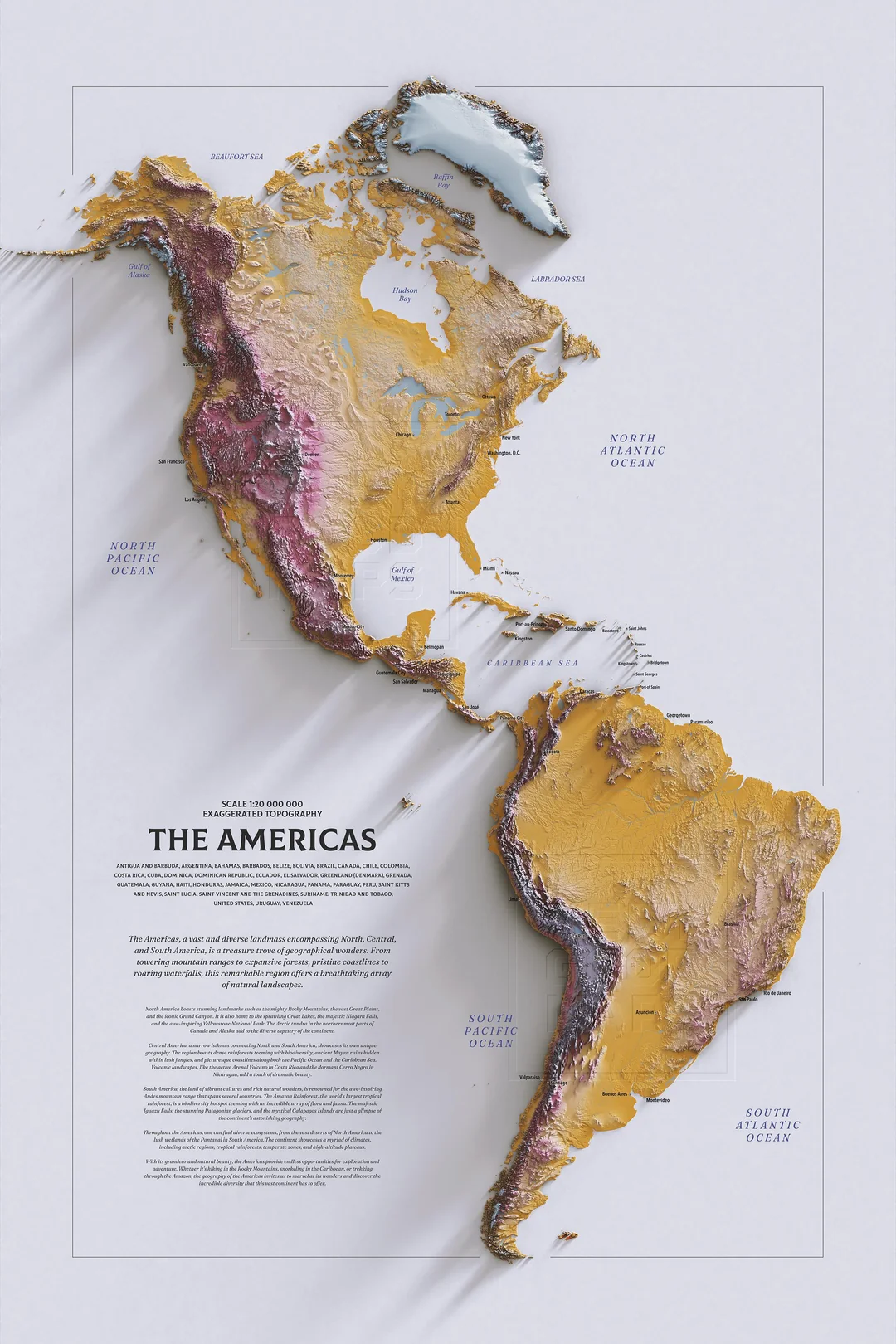
Archaeology, ecology, and quantitative inference in North and South America
The Americas program links archaeology, ecology, morphometrics, and formal inference. Projects in this area ask how people moved, transported, hunted, processed animals, and adapted to changing environments across deep time.
Main themes. Paleoindian technology, faunal transport and selection, evidentiary standards for early occupation claims, historical ecology, and Bayesian archaeology.
What this area is doing
- Testing explicit models of faunal transport, energetic return, and skeletal-part representation.
- Using quantitative archaeology to evaluate early peopling claims and evidentiary thresholds.
- Studying lithic reduction, shape change, and modularity in North American projectile technologies.
- Building historical and archaeological baselines for animal distributions, including bison.
Representative publications
- Parts and Wholes: Reduction Allometry and Modularity in Experimental Folsom Points (2022)
- Integrated evidence-based extent of occurrence for North American bison (Bison bison) since 1500 CE and before (2022)
- Does the Evidence at Arroyo del Vizcaíno (Uruguay) Support the Claim of Human Occupation 30,000 Years Ago? (2022)
- Beyond Chronology, Using Bayesian Inference to Evaluate Hypotheses in Archaeology (2022)
- A New Approach to the Quantitative Analysis of Bone Surface Modifications (2023)
Lead PI: Erik Otárola-Castillo
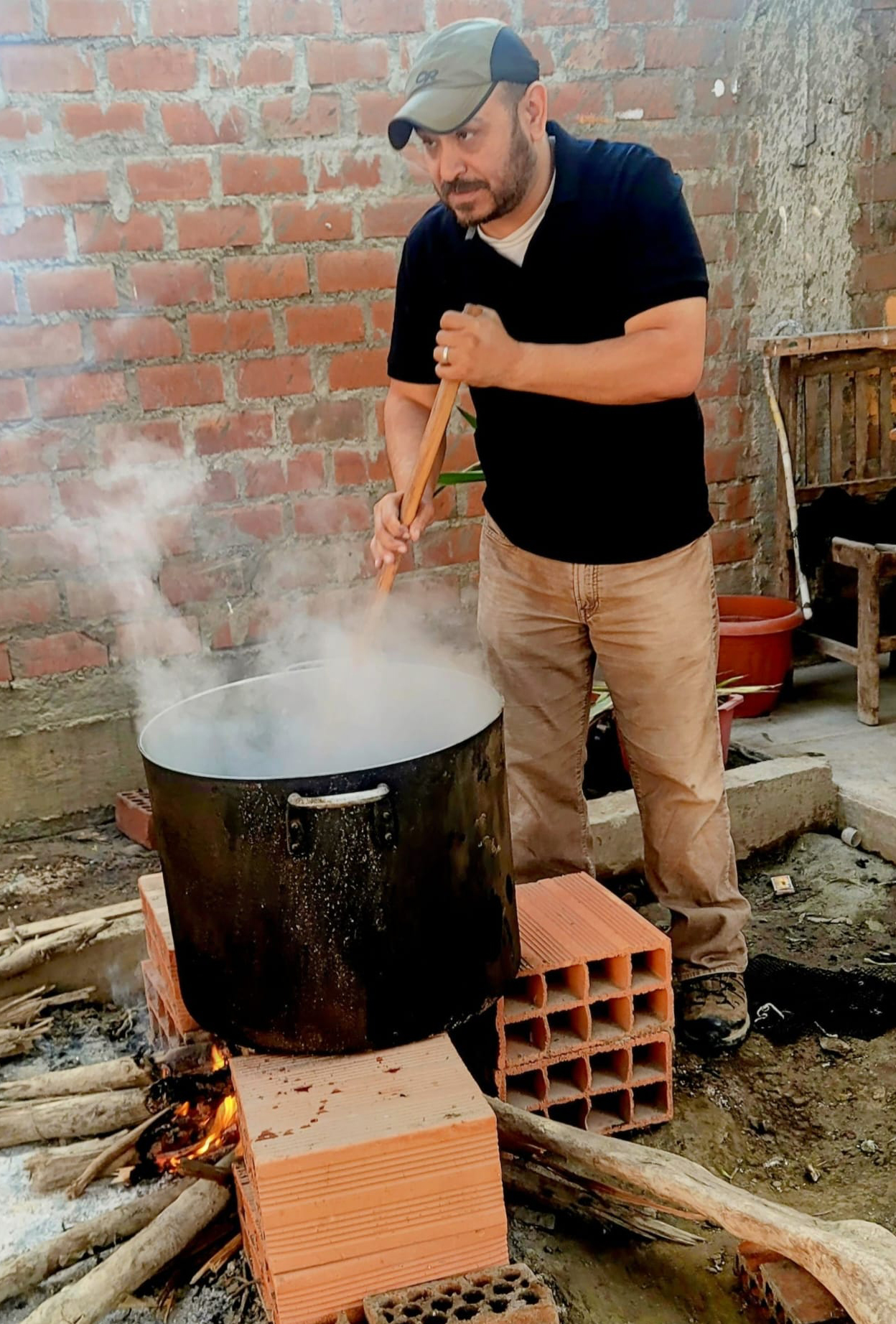
This research area emphasizes explicit models, reproducible methods, and strong evidentiary standards for archaeological explanation in the Americas.