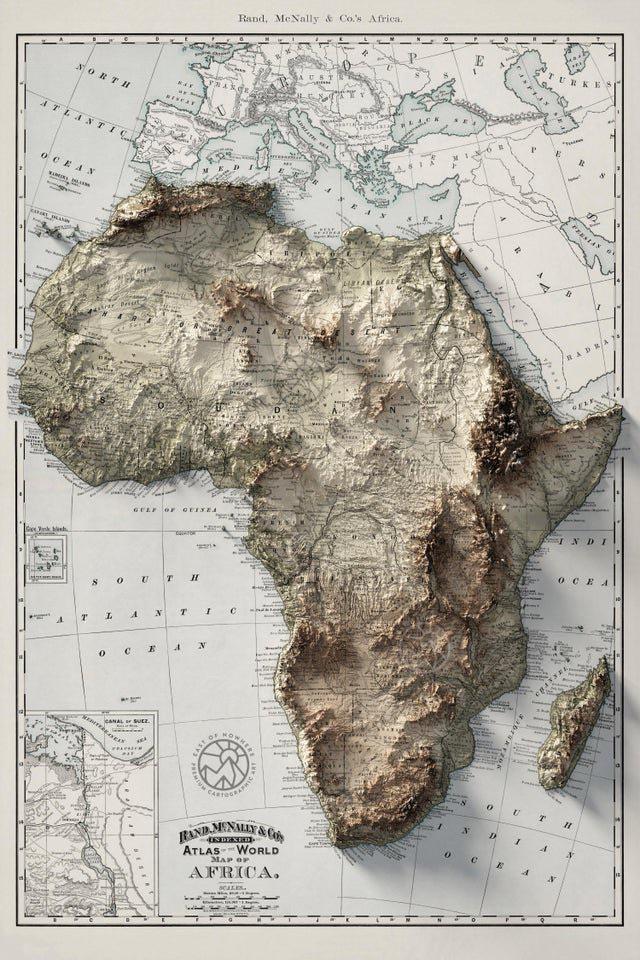
Late Pleistocene archaeology, technology, and paleoenvironment in Africa
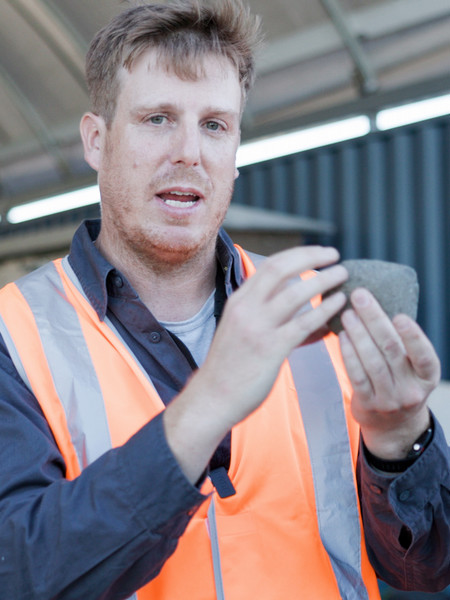
In the QuantLab, Dr. Ben Schoville leads the Africa research program. He is the co-director of the North of Kuruman Project, centering on late Pleistocene, Middle Stone Age archaeology, technological innovation, paleoenvironment, and regional connectivity, especially in the southern Kalahari Basin. Dr. Schoville's projects integrate field archaeology with lithic analysis, geochronology, and environmental reconstruction.
Main themes.
Middle Stone Age lithics, water stress and adaptation, social transmission,
human-environment interaction, and regional archaeological synthesis.
What this area is doing
- Documenting technological systems at Early and Middle Stone Age sites in the Kalahari Basin.
- Linking lithic variability to social transmission, connectivity, and adaptation in marginal environments.
- Integrating archaeological evidence with tufa, sediment, and paleoenvironmental records.
- Evaluating how innovation and environmental change interacted in the African Pleistocene.
Representative publications
-
The Marine Isotope Stage 5 lithic assemblage from Ga-Mohana Hill North Rockshelter and insights into social transmission across the Kalahari Basin and its environs
(2025)
-
Did climate change make Homo sapiens innovative, and if yes, how? Debated perspectives on the African Pleistocene record
(2024)
-
Function, Style, and Standardization: Is the Proximal or Distal End of a Middle Stone Age Point More Variable?
(2023)
-
Ostrich eggshell beads from Ga-Mohana Hill North Rockshelter, southern Kalahari, and the implications for understanding social networks during Marine Isotope Stage 2
(2022)
-
Tufas indicate prolonged periods of water availability linked to human occupation in the southern Kalahari
(2022)
-
Innovative Homo sapiens behaviours 105,000 years ago in a wetter Kalahari
(2021)
-
Exploring variability in lithic armature discard in the archaeological record
(2021)
-
Early human impacts and ecosystem reorganization in southern-central Africa
(2021)
Lead PI: Ben Schoville
This research area focuses on technological innovation during the late Pleistocene and on how humans adapted to arid landscapes over long time spans.